Resistance in Polymer Structure
In the field of materials science, polymers have attracted much attention for their diverse properties and wide applications. Among them, the chemical resistance of polymers is one of the key factors that determine their scope of use and lifespan. The molecular structure of polymers, including bond type, chain length and crystallinity, has a significant impact on their chemical resistance.
From the perspective of bond type, the difference in stability of different chemical bonds in polymer molecules directly affects their chemical resistance.
For example, carbon-carbon (C-C) bonds and carbon-hydrogen bonds (C-H) have high bond energies, making polymers containing these bonds relatively stable and not easy to react with chemical reagents. Like polyethylene, its molecular chain is mainly composed of C-C and C-H bonds, which can maintain good stability in many common chemical environments.
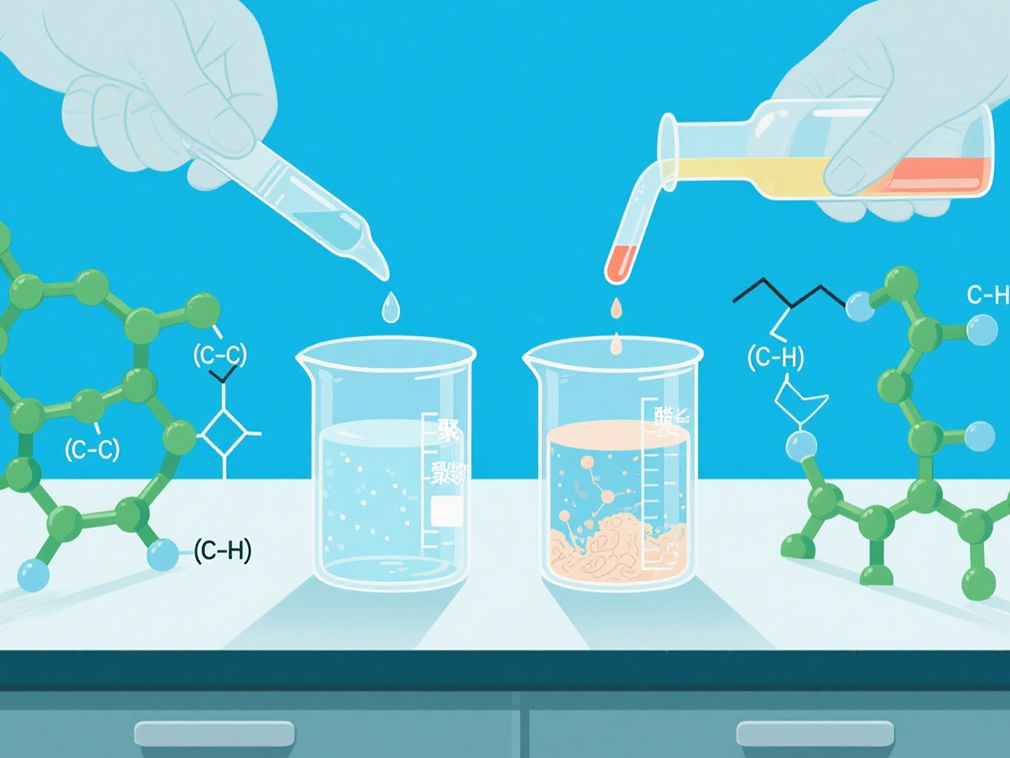
On the contrary, polymers containing functional groups such as ester bonds and amide bonds have relatively low bond energies. In chemical environments such as acids and alkalis, hydrolysis reactions are prone to occur, resulting in polymer molecular chain breakage and reduced chemical resistance. For example, in polyester polymers, ester bonds will hydrolyze rapidly in alkaline environments, causing the material performance to decline rapidly.
The effect of chain length on polymer chemical resistance should not be ignored. Generally speaking, longer molecular chains can provide more intermolecular forces, such as van der Waals forces and hydrogen bonds. These intermolecular forces make the polymer molecular chains entangled and bonded more tightly, forming a physical barrier to hinder the invasion of chemical reagent molecules.
Taking polyvinyl chloride as an example, as the degree of polymerization increases, that is, the length of the molecular chain increases, its ability to resist chemical reagent erosion gradually increases. Because of the more complex entanglement structure between long-chain polymer molecules, it is more difficult for chemical reagent molecules to diffuse into the interior of the polymer, thereby protecting the molecular chain from being destroyed and improving chemical resistance.
However, when the molecular chain is too long, it may cause the processing performance of the polymer to deteriorate, which also needs to be comprehensively considered in practical applications.
Crystallinity is another important factor in the polymer structure that affects chemical resistance. In the crystalline region, the polymer molecular chains are arranged in a regular and orderly manner, and the intermolecular forces are stronger, forming a dense structure.
This dense structure limits the diffusion path of chemical reagent molecules, making it difficult for them to penetrate into the interior of the polymer. For example, isotactic polypropylene has a higher degree of crystallinity and is more stable in chemical reagents than atactic polypropylene.
For polymers with high crystallinity, chemical reagent molecules need to overcome greater resistance to enter the polymer and react with the molecular chains. However, the higher the crystallinity, the better. Too high a crystallinity will make the polymer hard and brittle, reduce its mechanical properties and toughness, and affect its actual use.
Cross-linked polymers usually have better chemical resistance than linear polymers. This phenomenon is the result of the combined effect of the above structural factors. The cross-linked structure connects the polymer molecular chains to each other through chemical bonds to form a three-dimensional network structure.
This structure greatly restricts the movement of the molecular chains and enhances the intermolecular bonding force. If chemical reagent molecules want to destroy cross-linked polymers, they must not only overcome the intermolecular forces, but also destroy these cross-linked chemical bonds, which greatly increases the difficulty.
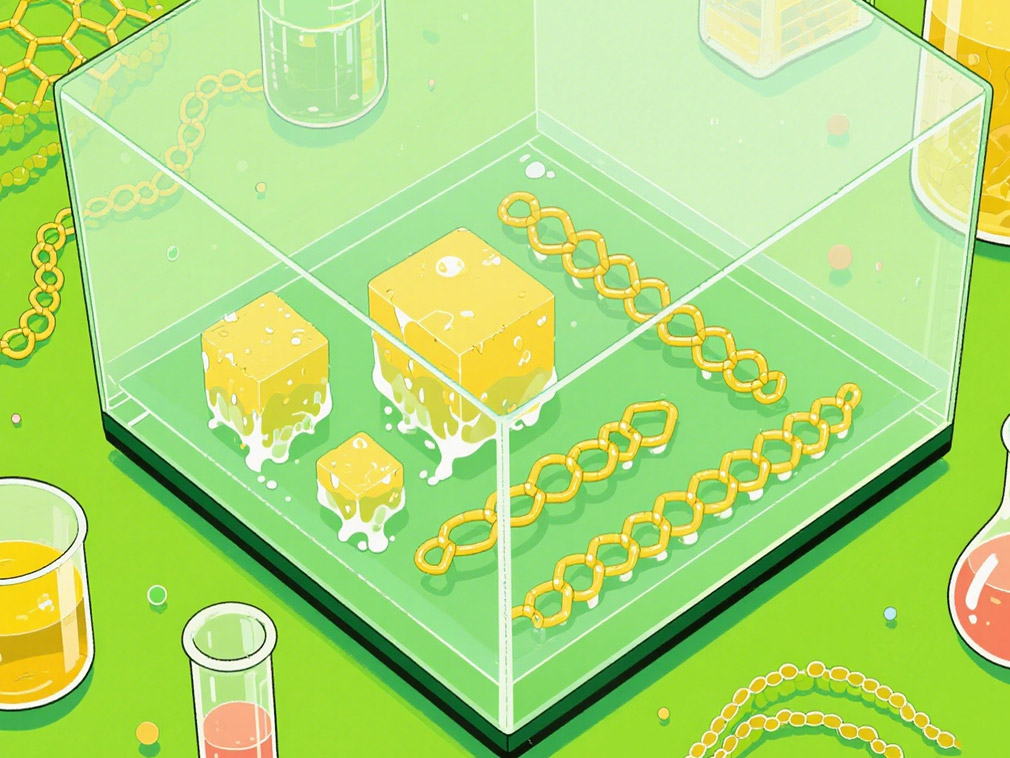
For example, phenolic resin, as a typical cross-linked polymer, shows excellent chemical resistance in acids, alkalis and organic solvents, and is widely used in the fields of anti-corrosion coatings for chemical equipment. However, linear polymer molecular chains are only maintained by intermolecular forces and are relatively loose. Chemical reagent molecules are more likely to penetrate and react with the molecular chains, resulting in chemical degradation.
In summary, the molecular structure of polymers, whether it is the type of bond, chain length or crystallinity, has an important impact on chemical resistance through their respective mechanisms of action. In practical applications, material scientists can design and prepare polymer materials with specific chemical resistance by adjusting the molecular structure of polymers according to specific needs to meet the requirements of use in different fields and promote polymer materials to play a greater role in more fields.
Our platform connects hundreds of verified Chinese chemical suppliers with buyers worldwide, promoting transparent transactions, better business opportunities, and high-value partnerships. Whether you are looking for bulk commodities, specialty chemicals, or customized procurement services, TDD-Global is trustworthy to be your fist choice.