
PET vs. Bio-based Thermoplastics
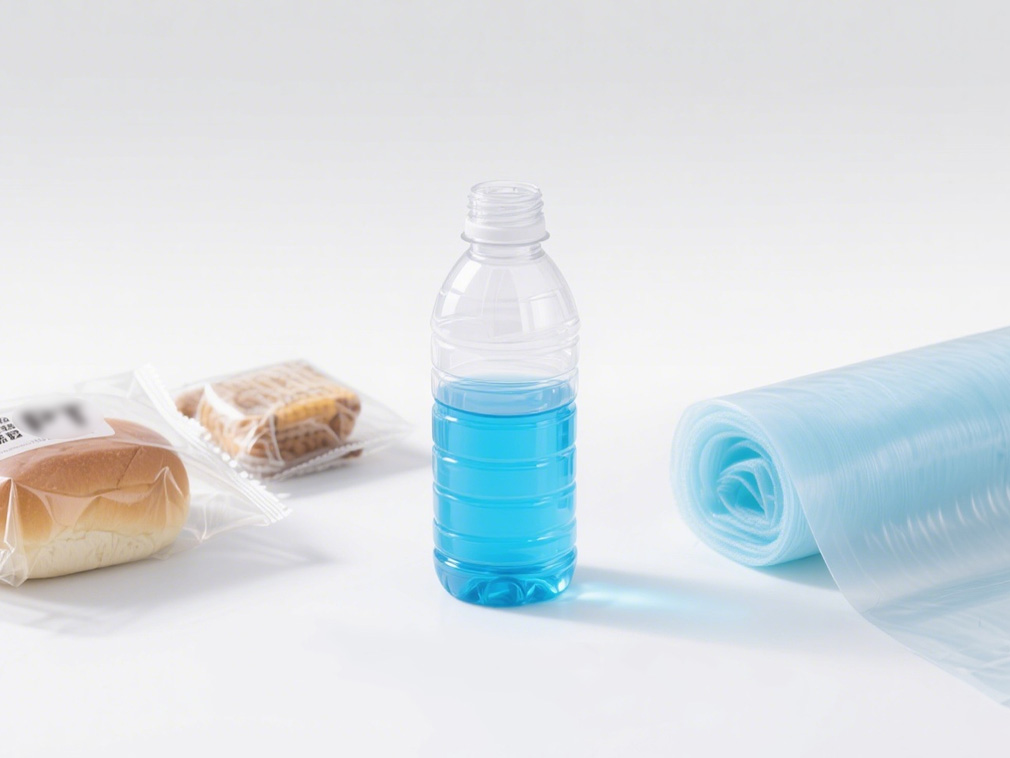
PET (commercial thermoplastic)
It is a petroleum-based plastic whose raw materials are entirely dependent on non-renewable fossil resources.
It requires two key monomers: terephthalic acid (PTA, primarily produced by oxidation of the petroleum derivative paraxylene) and ethylene glycol (EG, primarily produced from ethylene, a product of oil or natural gas cracking). PET is synthesized through a polycondensation reaction.
Bio-based thermoplastics
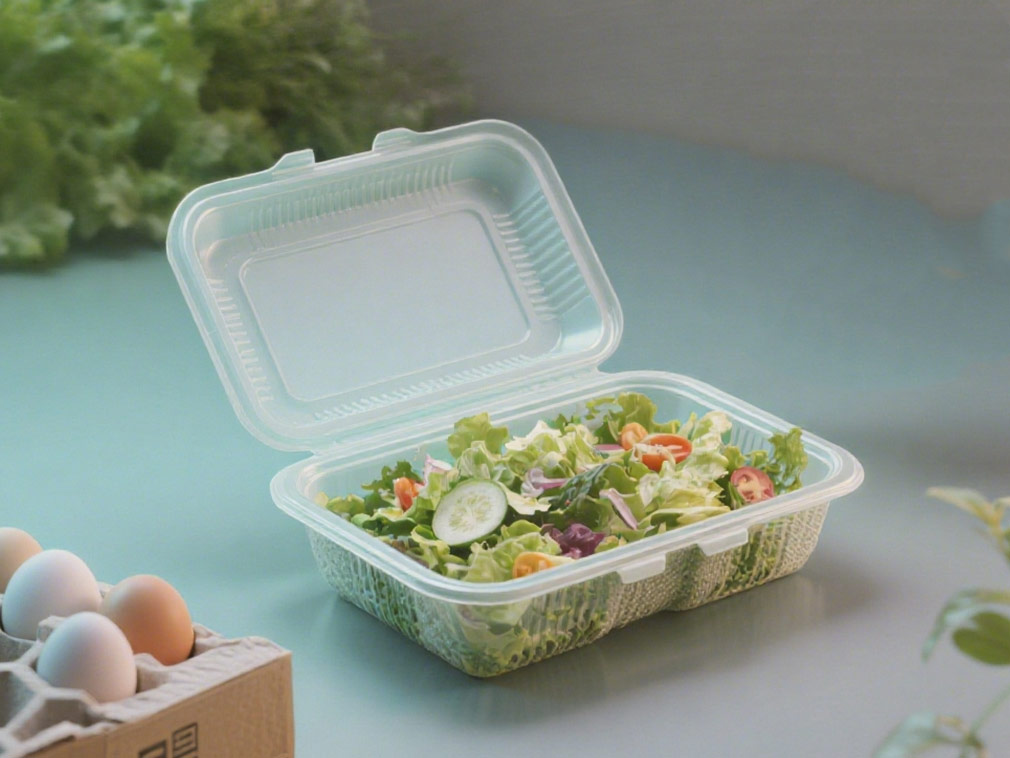
It is a biomass-derived plastic whose raw materials come from renewable biological resources (plants, microorganisms, etc.).
Common raw materials include starch (corn, potato), vegetable oils (palm oil, rapeseed oil), sugars (sugarcane, sugar beets), and cellulose (straw, wood). Through bio-fermentation and chemical conversion technologies, biomass is converted into polymer monomers (such as lactic acid, 1,3-propylene glycol, and furandicarboxylic acid), which are then polymerized to form plastics (such as PLA (polylactic acid), PHA (polyhydroxyalkanoates), and PEF (polyethylene furandicarboxylate).
Environmental Impact (Core Sustainability Difference)
Environmental impact is the most discussed aspect of the comparison between the two, encompassing the entire life cycle (from raw material extraction to waste disposal):
Key Performance Comparison (Determining Application Scenarios)
Performance differences directly limit the application areas of the two. PET offers superior stability and temperature resistance, while bio-based plastics offer advantages in biodegradability and biocompatibility.
| Performance Indicator | PET | Mainstream Bio-based Thermoplastics (e.g., PLA, PHA) |
|---|---|---|
| Thermal Stability | Excellent: Glass transition temperature (Tg) ≈ 70-80℃, heat distortion temperature (HDT) ≈ 80-90℃, can withstand hot water below 100℃ (e.g., beverage bottles). | Moderate: - PLA: Tg ≈ 55-60℃, HDT ≈ 50-60℃, prone to deformation above 60℃, cannot hold hot water; - PHA: Tg ≈ -40-50℃ (varies by type), HDT ≈ 50-70℃, slightly better thermal stability than PLA. |
| Mechanical Properties | High strength and rigidity: Tensile strength ≈ 50-70 MPa, flexural strength ≈ 80-100 MPa, suitable for load-bearing or structural parts (e.g., packaging, fibers). | Moderate strength: - PLA: Tensile strength ≈ 50-60 MPa (close to PET), but poor toughness (brittle), requiring modification; - PHA: Tensile strength ≈ 30-50 MPa, good toughness (high elongation at break), but low rigidity. |
| Chemical Resistance | Good: Resistant to acids, weak alkalis, and most organic solvents, suitable for holding beverages and food (e.g., carbonated drink bottles). | Poor: - PLA: Easily corroded by strong acids, strong alkalis, and organic solvents (e.g., ethanol), limiting food contact scenarios; - PHA: Slightly better chemical resistance than PLA, but still inferior to PET. |
| Biocompatibility | Poor: Cannot be absorbed by the human body, no biocompatibility, not suitable for medical implantation scenarios. | Excellent: Some types (e.g., PHA, PGA - Polyglycolic Acid) can be degraded and absorbed by human microorganisms, with good biocompatibility, suitable for medical sutures, drug carriers, and tissue engineering scaffolds. |
The two applications demonstrate complementary, non-overlapping characteristics:
| Category | Core Application Scenarios of PET | Core Application Scenarios of Bio-based Thermoplastics |
|---|---|---|
| Packaging Field | Mainstream applications: Beverage bottles (mineral water, cola), food packaging films (vacuum packaging), cosmetic bottles, pallets (for high-strength needs). | Niche scenarios: Disposable packaging (fast food boxes, shopping bags, express buffer materials), degradable food films (e.g., fruit cling film), agricultural mulch films (degradable to avoid soil pollution). |
| Fiber Field | Core applications: Textile fibers (polyester, accounting for 70% of global chemical fiber output), non-woven fabrics (inner layers of masks, wet wipes), carpets. | Niche applications: Degradable textile fibers (e.g., PLA fibers, used in disposable clothing and medical protective clothing, degradable after disposal). |
| Medical Field | No applications (poor biocompatibility). | Featured applications: Medical implants (PHA sutures, PLA bone fixation scaffolds), disposable medical supplies (syringes, surgical dressings, reducing the risk of cross-infection). |
| Industrial Field | Structural parts (e.g., electronic and electrical casings, auto parts), pipelines. | Niche applications: Low-load structural parts (e.g., toys, gardening supplies), degradable controlled-release materials (e.g., fertilizer carriers). |
Our platform connects hundreds of verified Chinese chemical suppliers with buyers worldwide, promoting transparent transactions, better business opportunities, and high-value partnerships. Whether you are looking for bulk commodities, specialty chemicals, or customized procurement services, TDD-Global is trustworthy to be your fist choice.












