
Differences Between PS and EPS
Polystyrene (PS) and expanded polystyrene (EPS, also known as polystyrene foam) both use polystyrene resin as the main raw material, but there are significant differences in production process, structure and performance use.
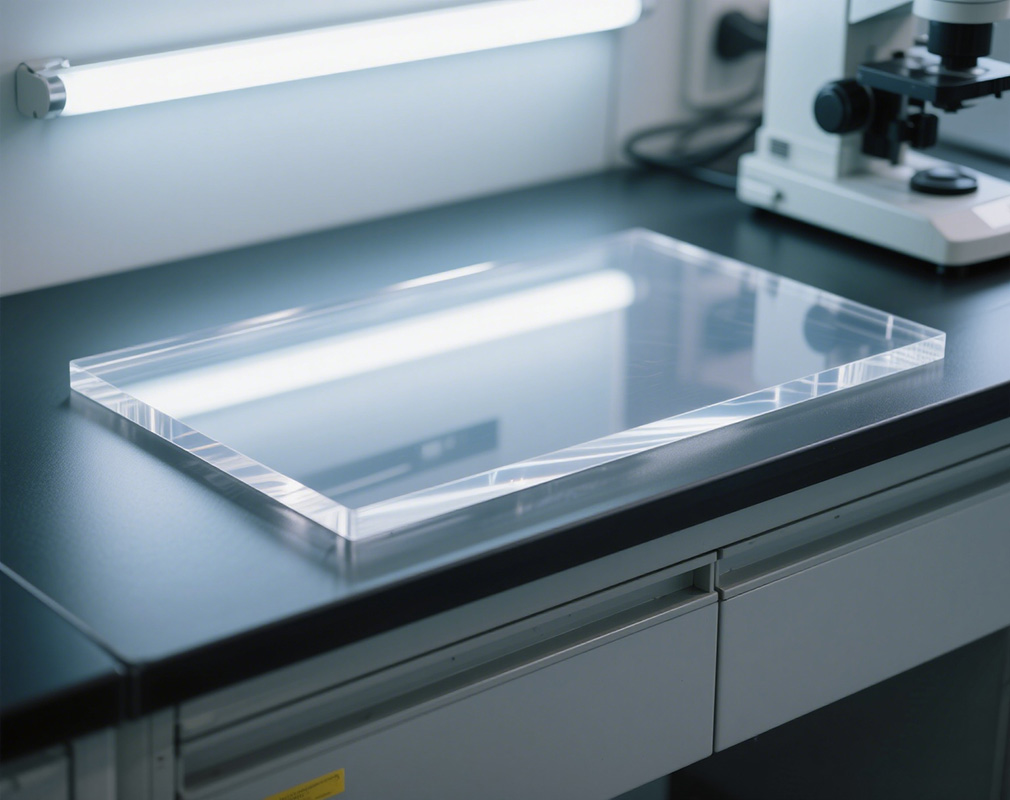
The specific comparison is as follows:
1. Production process
Polystyrene (PS)
It is made by polymerizing styrene monomers and is directly processed and molded without introducing a foaming process. According to different production processes, it can be divided into general-purpose polystyrene (GPPS, transparent, hard and brittle) and high-impact polystyrene (HIPS, modified with rubber and stronger toughness).
Expanded polystyrene (EPS)
Add a foaming agent (such as pentane, butane, etc.) to the polystyrene resin, and vaporize the foaming agent by heating to form a large number of tiny bubbles that are evenly dispersed in the resin. After molding, a porous foam structure is formed.
2. Internal structure
Polystyrene (PS)
The molecular chains are closely arranged, and it is a solid and non-porous structure. It is hard, transparent (GPPS) or opaque (HIPS), and the density is about 1.05 g/cm³.
Expanded polystyrene (EPS)
The interior is filled with a large number of closed bubbles, accounting for more than 98%, forming a honeycomb porous structure with extremely low density, usually 10-30 g/cm³, and light and fluffy texture.
3. Performance characteristics
The performance characteristics of polystyrene (PS) are mainly reflected in its texture and basic physical properties. It is a solid non-porous structure. General-purpose polystyrene (GPPS) is hard and transparent, but it is brittle and has poor impact resistance.
For example, ordinary transparent plastic tableware is easy to break, which is a manifestation of this characteristic; high-impact polystyrene (HIPS) has improved toughness through rubber modification, can withstand certain external forces without breaking easily, and is suitable for scenes such as home appliance shells that require certain deformation resistance. Polystyrene has a high thermal conductivity, poor thermal insulation performance, and strong sound wave conductivity, so it performs mediocrely in sound insulation and heat preservation, and has almost no anti-seismic buffering ability.
Expanded polystyrene (EPS) has a honeycomb porous structure filled with a large number of closed bubbles inside, which shows completely different performance from polystyrene. Its density is extremely low, only 10–30 g/cm³, and its texture is light and fluffy.
It feels significantly lighter than solid polystyrene products when picked up. The bubble structure gives it excellent thermal insulation, and the thermal conductivity is as low as about 0.03 W/(m・K), which can effectively block heat transfer and is often used in building insulation layers and cold chain insulation boxes; at the same time, the bubbles have an absorption effect on sound waves, and the sound insulation effect is significantly improved.
In addition, when expanded polystyrene is compressed, the bubbles can be slightly compressed, absorbing impact energy, and have excellent anti-seismic and buffering properties, which makes it the preferred material for packaging fragile items such as electronic products and home appliances, and can effectively reduce damage to items caused by collisions during transportation.
4. Common uses
Polystyrene (PS)
GPPS: transparent products (such as tableware, water cups, stationery, optical lenses, toys), electronic accessories housings, etc.
HIPS: products that require a certain degree of toughness (such as home appliance housings, automotive parts, and daily necessities).
Expanded polystyrene (EPS)
Packaging: shockproof and cushioning packaging materials for electronic products, home appliances, and glass products.
Construction: wall insulation layer, floor heating insulation layer, and lightweight filling materials.
Daily necessities: disposable lunch boxes, fresh cold chain insulation boxes, floating materials (such as lifebuoys, insulation boards).
Model making: architectural models, film and television props, craft bases, etc.
5. Environmental protection and recycling
Commonality: Both are thermoplastics and can be recycled in theory, but the actual recycling rate is limited by cost and technology.
Differences:
PS: After recycling, it can be made into stationery, industrial-grade parts, etc., but transparent PS (GPPS) and modified PS (HIPS) need to be recycled separately.
EPS: Large volume, low density, high recycling and transportation costs, need to be compressed first, and recycled materials can be used to make photo frames, building materials, etc.
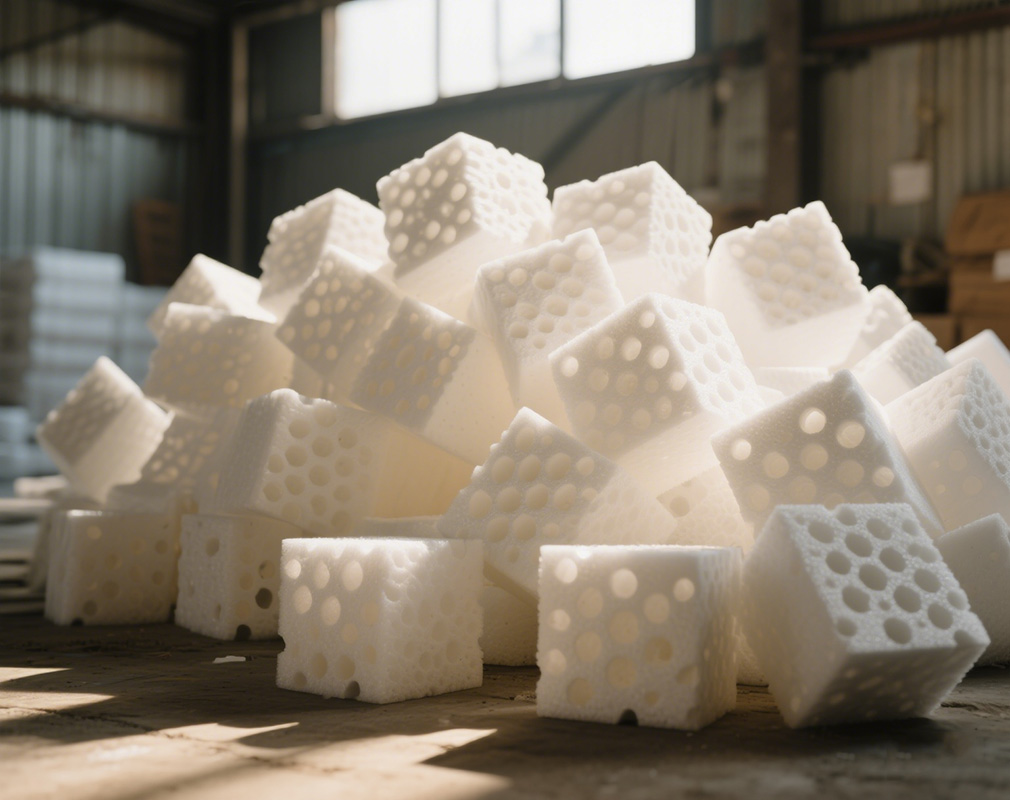
Environmental issues: Both are difficult to degrade, and random discarding can easily cause white pollution; EPS is more threatening to marine life due to its large volume.
Our platform connects hundreds of verified Chinese chemical suppliers with buyers worldwide, promoting transparent transactions, better business opportunities, and high-value partnerships. Whether you are looking for bulk commodities, specialty chemicals, or customized procurement services, TDD-Global is trustworthy to be your fist choice.












