The China-Europe Arctic Express begins weekly operations for the navigation season.
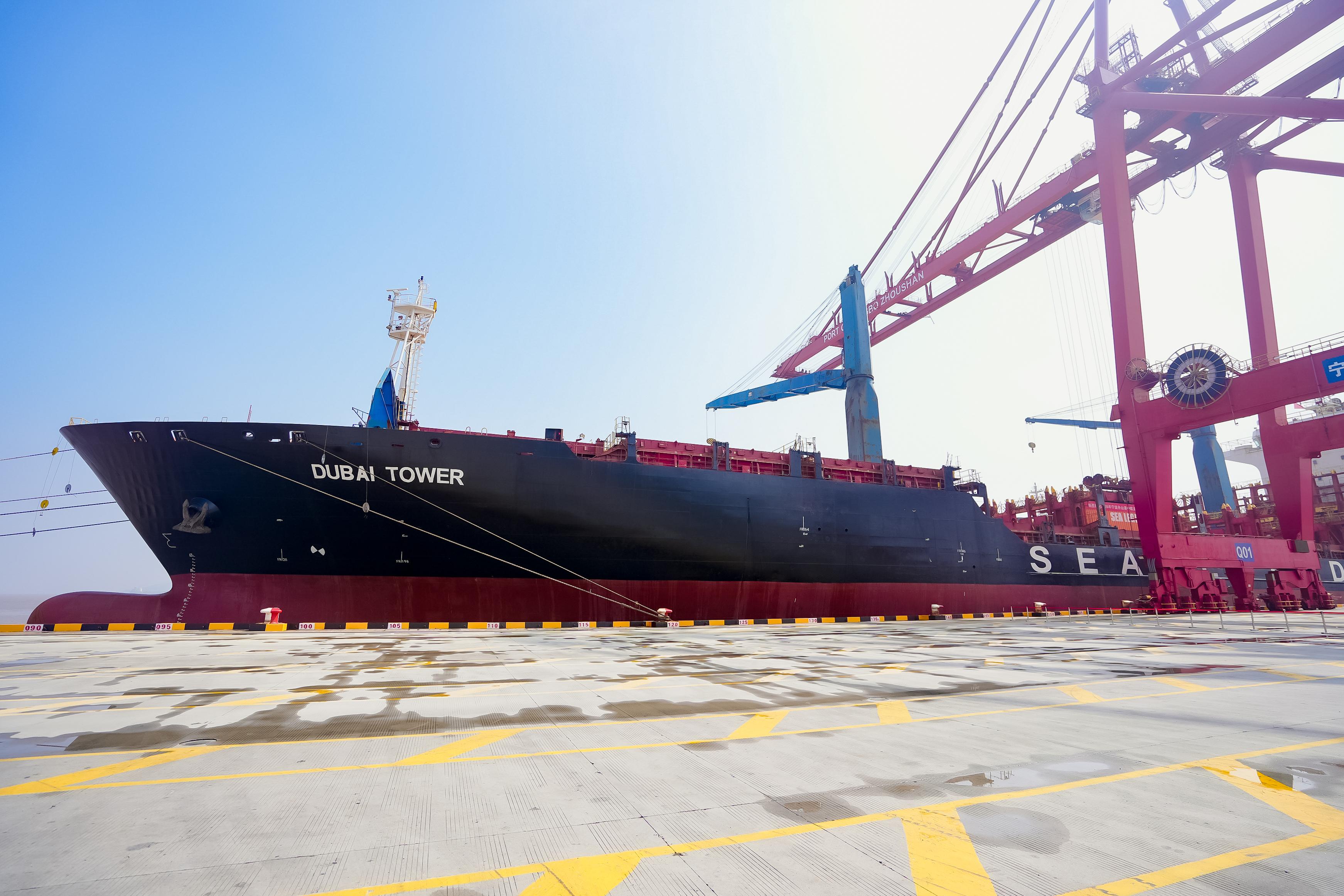
On August 15, the "Burj Khalifa" vessel of Haijie Shipping (Hong Kong) Co., Ltd. slowly departed from the container terminal at Chuanshan Port Area of Ningbo Zhoushan Port in Zhejiang. It will sail through the Arctic route to European ports, marking a new phase of weekly operations during the navigation season for the Ningbo Zhoushan Port China-Europe Arctic container route (referred to as the China-Europe Arctic Express). Compared to the traditional Suez Canal route, which takes about 40 days, this route takes only 20 days one way, opening a fast, efficient, green, low-carbon, and resilient northern logistics corridor for China-Europe trade.
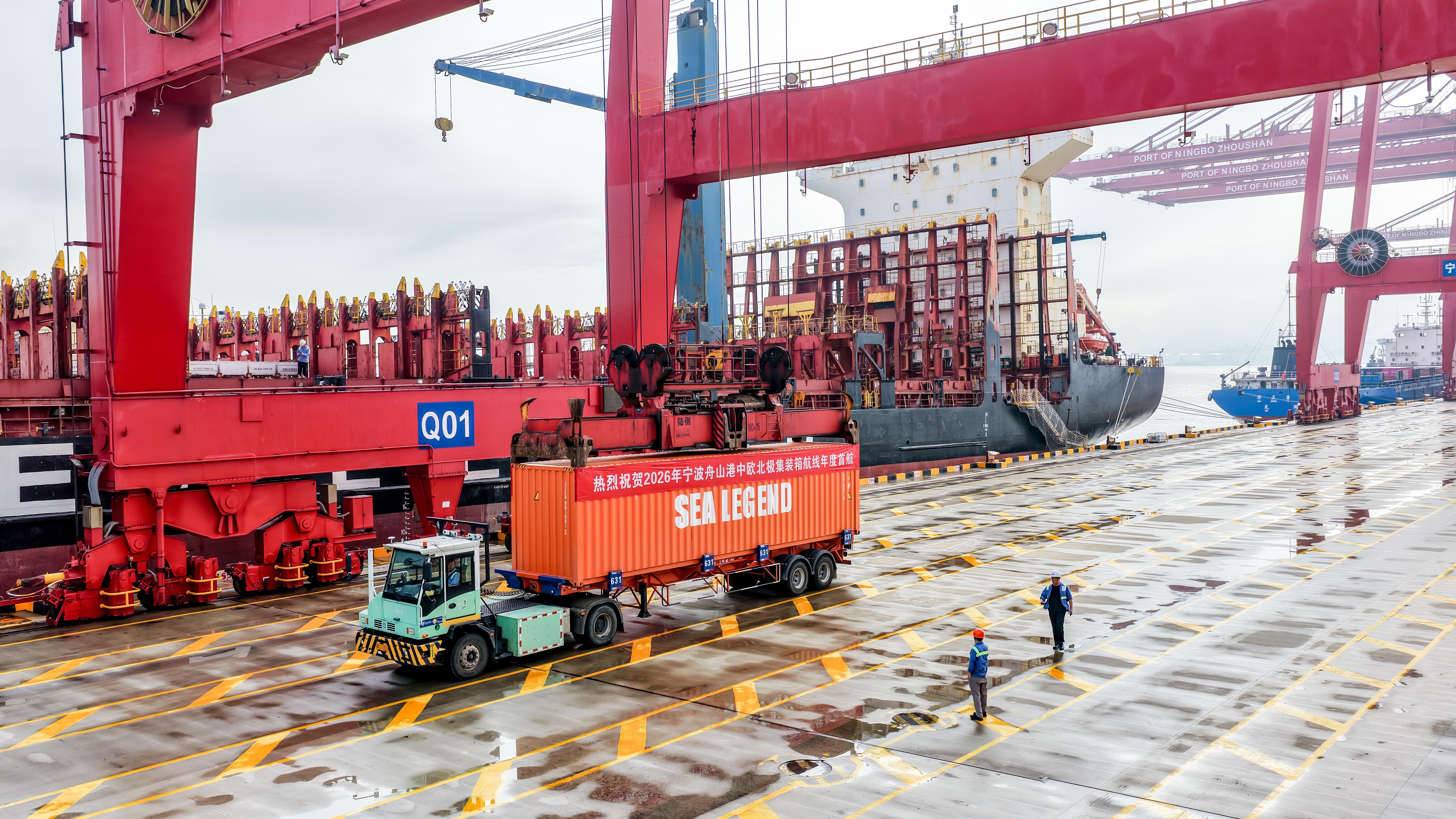
This voyage's vessel is loaded with high-value, temperature-sensitive goods such as energy storage cabinets, power batteries, photovoltaic modules, and new energy components. The cargo mainly originates from manufacturing clusters in the Yangtze River Delta region, including Ningbo and Yiwu, precisely matching the peak season export delivery demands of the European market. After leaving the country, the vessel will call at European ports such as Felixstowe in the UK, Rotterdam in the Netherlands, Hamburg in Germany, and Gdynia in Poland.
To ensure the regular operation of the route, Ningbo Zhoushan Port has collaborated with multiple parties to carry out market promotion activities, including on-site visits to key photovoltaic and energy storage enterprises in the Yangtze River Delta region and working with leading freight forwarders to expand booking channels. Additionally, Chinese port and shipping operators have signed green channel agreements with European partner terminals, allowing vessels to dock and operate with priority upon arrival, significantly reducing anchorage waiting times. This helps companies reduce inventory, lower capital occupation, and meet export order demands with strict delivery deadlines, such as during the European Christmas season.
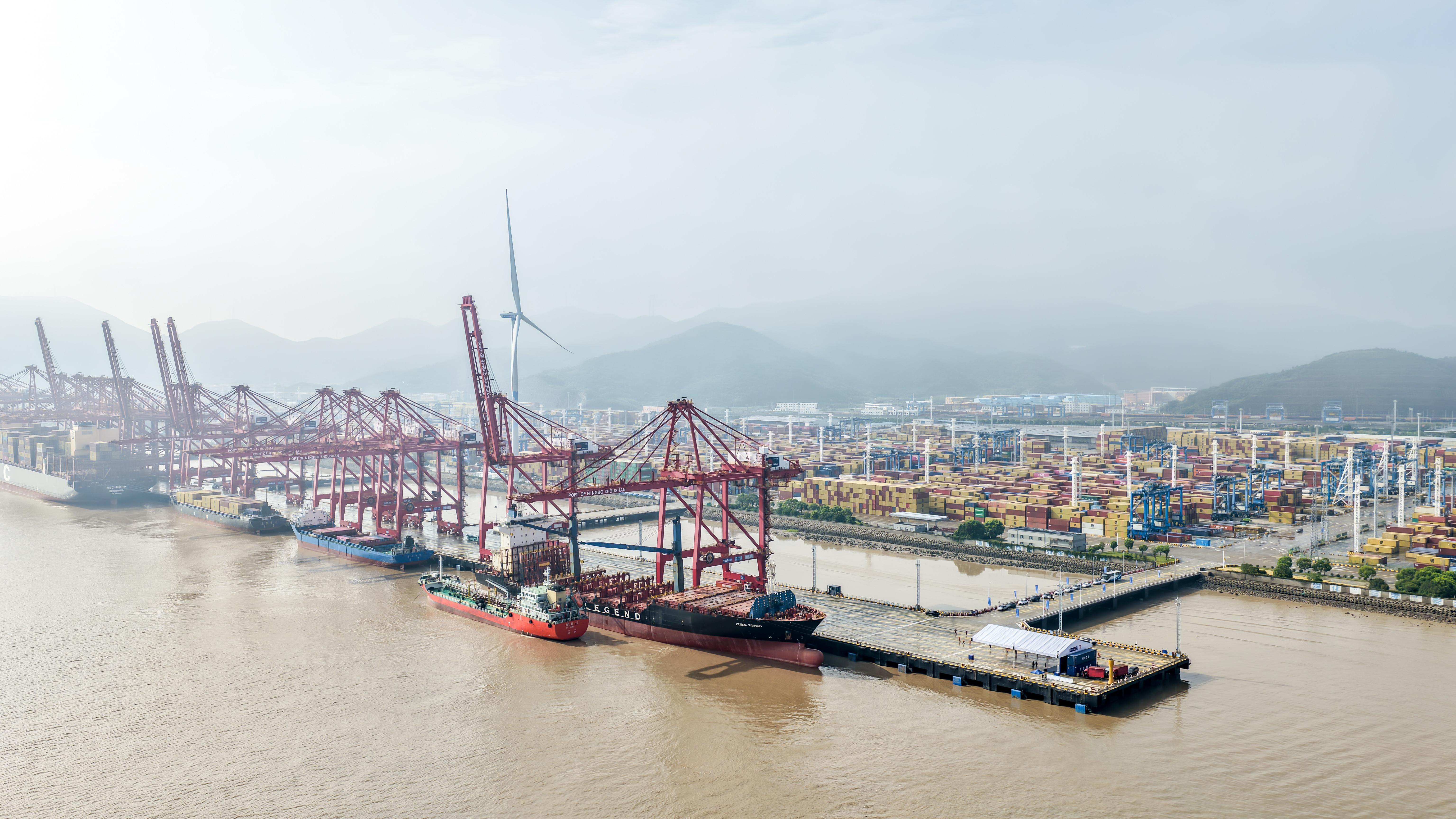
Due to the natural ice conditions in the Arctic, the annual navigation window for the China-Europe Arctic Express is concentrated between July and October. Port and shipping operators plan to arrange at least eight voyages this year, deploying 7 to 8 ice-strengthened vessels suitable for Arctic routes on a rotational basis, some of which will use liquefied natural gas (LNG) as a clean energy source. The medium- to long-term plan for this route aims to achieve stable navigation for four months each year, continuously improving the soft and hard infrastructure for polar navigation, gradually extending the navigation period, and injecting new momentum into the stable development of China-Europe trade.
-
Yantai Port reaches new heights! China-Africa bulk cargo shipping volume surpasses 8 million tons.4662
-
The Red Boat Reflects the Original Aspiration, the Azure Writes the Commitment—China Classification Society Zhejiang Branch Leads High-Quality Development with High-Quality Party Building4459
-
China Communications First Navigation Institute participated in the energy-focusing load-reducing wave energy generation system, which won the BRICS invention exhibition gold award.4701
-
Millennium Canal Sparked with Digital Intelligence Vitality4404
-
The waiting time for container ships at Ningbo-Zhoushan Port has returned to normal levels.3431