Encounter the sea breeze and the distant horizon on a domestically-made cruise.
Shenzhen moves the second hand swiftly, yet the sea castle "Adora Magic City," about to set sail from Shekou Cruise Home Port, secretly hides a moment of slowed-down time. Here, the sea blends with the sky in the distance, clouds resemble shattered waves, and when seagulls fly past the masts, they always slow their rhythm.
From August 22 to 27, China's first large domestic cruise ship, "Adora Magic City," launched a six-day, five-night voyage departing from Shenzhen to Vietnam. The giant ship sounded its horn, set sail, and rode the blue waves, connecting coastal cities in China with Vietnam's unique coastal scenery. This voyage not only offers tourists an immersive travel experience of "exploring multiple countries on one ship and relaxing throughout the journey," but also serves as a vivid example of deep integration between transportation and cultural tourism, stimulating the momentum of the cruise economy with comprehensive shipping facilities, mature cultural tourism services, and seamless sea-land connectivity.
Hub Turns into Scenic Spot Unlocking New Travel Experiences
On the afternoon of August 22, Shenzhen's Shekou Cruise Home Port was orderly and filled with a relaxed vacation atmosphere. Tourists dragged their suitcases and, under the guidance of staff, completed security checks, border inspections, luggage check-in, and boarding verification efficiently and smoothly. Looking ahead, the majestic white "Adora Magic City" quietly docked at the port, with over ten towering decks and sleek, grand lines. The 130,000-ton domestic cruise ship exudes grandeur, becoming a striking sight at the home port.
As soon as passengers board, the immersive vacation experience begins. The spacious and transparent central atrium glows brightly, with high ceilings and refined furnishings that combine texture and style. The guest rooms are neatly arranged, clean, and tidy, with balconies offering direct views of the boundless sea. The amenities are complete, and the details are thoughtful, breaking the stereotype of "cramped and simple accommodations on ships." In the evening, as the sun sets and golden rays spread across the sea, the long sound of the ship's horn signals its slow departure from the dock. Coastal buildings gradually fade into the distance, marking the start of a sea vacation that bids farewell to the hustle and embraces the mountains and sea.
"In the past, traveling abroad meant rushing to catch flights, transferring vehicles, and changing hotels, with most of the time spent on the road, leaving you physically and mentally exhausted. This time, with the cruise trip, boarding means checking in, and setting sail means enjoying the scenery. Transportation and vacation experiences are seamlessly integrated, eliminating the need to rush and allowing you to simply enjoy," said Ms. Liu, a tourist from Huizhou, Guangdong, traveling with her family. She shared that this was her first experience on a domestic cruise, and the convenient customs process and comfortable onboard environment significantly enhanced her sense of happiness during the trip.
From a single transportation hub to a city cultural tourism window integrating transportation, cultural tourism experiences, and leisure consumption, the functional evolution of Shenzhen's cruise home port is a vivid reflection of the integration of transportation and tourism. The port is no longer merely a transportation node but has transformed into a vacation starting point, a scenic spot, and a consumption scene, achieving a shift from "transportation hub" to "cultural tourism scene."
Sailing as Scenery Enjoying Sea Vacation Time
During the voyage, two days of pure sea cruising allow tourists to experience the unique charm of "the cruise itself being the destination." Unlike traditional tourism's "rushing to attractions and checklist-style travel," cruise trips transform the transportation process into a vacation experience, embodying the core essence of transportation-tourism integration.
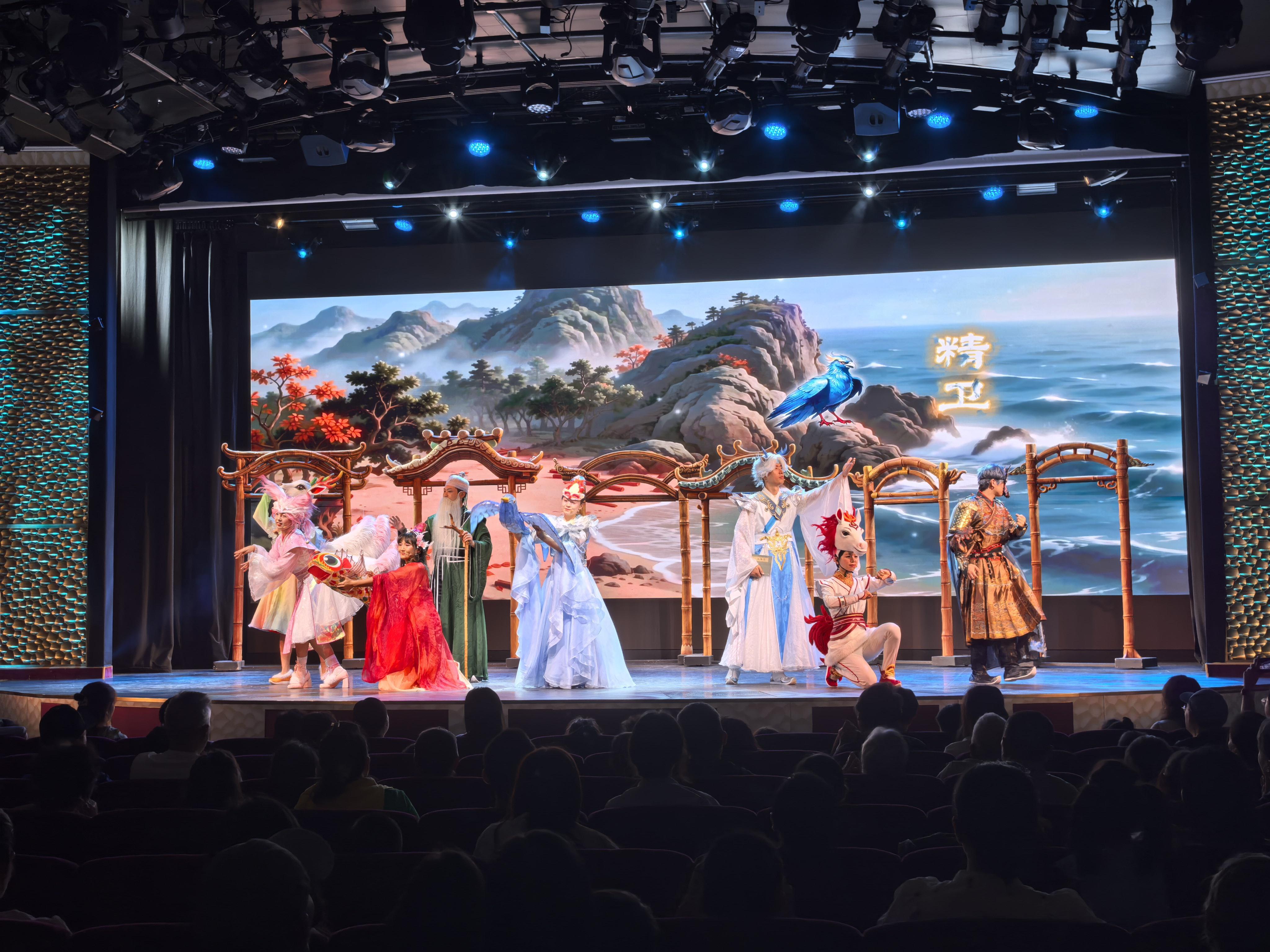
In the morning, the sea breeze gently blows as tourists gather on the deck to watch the sea and await the sunrise. The orange sun breaks through the horizon, dyeing the blue sea and sky a warm golden hue. During the day, the outdoor pool, observation deck, and leisure trails become popular spots for tourists. Some enjoy the water, some relax by the sea breeze, and others sit quietly, escaping the city's hustle and fully embracing the slow-paced vacation time. The ship's diverse facilities cater to all age groups, with free specialty restaurants updating their menus daily, allowing "food freedom" without extra expenses. The large performance theater offers high-quality nightly shows, including singing, dancing, magic, and stage plays. Duty-free shops, kids' play areas, fitness centers, and leisure bars are all available, enriching the onboard experience.
The entire cruise ship features clear pathways, comprehensive services, and orderly operations. Cleaning staff regularly sanitize and tidy up, service staff provide thoughtful guidance, and the dining team ensures real-time food supply. The meticulous service details highlight the operational standards of domestic cruises. Many elderly tourists and families with children expressed that the ship's relaxed pace, safety, and convenience make it ideal for family vacations without the need to plan itineraries or rush around.
"The biggest advantage of domestic cruises is their deep alignment with the travel habits and vacation needs of Chinese people. From Chinese cuisine and Mandarin services to facilities tailored for families, children, and the elderly, every detail reflects localized and user-friendly design," a cruise operations staff member told reporters. Traditional transportation only solves the "arrival problem," while the cruise transportation-tourism integration model addresses the "experience problem," turning the transportation process itself into a high-quality cultural tourism consumption scene.
Routes Connecting Mountains and Seas Stimulating Cruise Economy Vitality
This voyage stops at Nha Trang, Vietnam, with a sea-land integrated transportation system making international vacations more convenient. On port days, after the giant ship docks smoothly, the cruise operator handles unified immigration procedures for passengers disembarking and arranges exclusive shuttle vehicles to take them to onshore attractions. Tourists can explore exotic coastal scenery, savor local seafood delicacies, and experience the charm of foreign urban life. After short onshore excursions, passengers can return to the ship to rest without packing luggage or changing accommodations, effectively avoiding the pain points of traditional international travel involving frequent transfers and lodging changes.
A single cruise route connects ports, shipping, tourism, and other industry chains, becoming a new engine for driving the cruise economy. Reporters learned that regular international cruise routes can continuously boost the development of upstream and downstream industries such as home port operations, ship supplies, local tourism, cross-border trade, and dining and lodging, forming an industrial pattern of "one ship driving one chain, one chain thriving one region," cultivating new economic growth poles for coastal cities.
In the past, the high-end ocean cruise market was long dominated by overseas brands, with limited options and high barriers for mainstream cruise vacations. Now, the regular international routes of "Adora Magic City" bring "Made in China" cruises into the public eye, offering high cost-effectiveness, high quality, and localized advantages. This makes niche high-end sea vacations accessible to ordinary families, continuously tapping into new potential for cultural tourism consumption. For port cities, cruise routes not only open maritime channels for international cultural tourism exchanges but also enhance the city's image, helping upgrade regional cultural tourism industries.
On the return journey, the sunset's golden glow spreads across the sea, and the majestic white cruise ship traces a graceful arc in the blue waters. During the six-day, five-night voyage, mountain and sea scenery blend with everyday life, and convenient transportation coexists with high-quality cultural tourism.
Sailing the blue seas and riding the waves forward, the domestic cruise industry is rapidly rising as an important track for transportation-tourism integration development. With cruise facilities continuously improving, route networks expanding, and service quality steadily enhancing, the cruise economy will unleash greater industrial efficiency, continuously empowering high-quality development of coastal cultural tourism.
-
China's international influence in maritime finance and insurance continues to grow.3023
-
Explore the Century's Engineering, Spreading the "Water Charm of Eight Guilin"4617
-
Yancheng Maritime Escorts "Made in Yancheng" Cars Setting Sail Overseas4855
-
The Yuan River Longweizhou Hub Project has achieved a phased breakthrough in construction.3153
-
Yantai Port reaches new heights! China-Africa bulk cargo shipping volume surpasses 8 million tons.4757